Exhibitions
“Art Basel Hong Kong 2025”
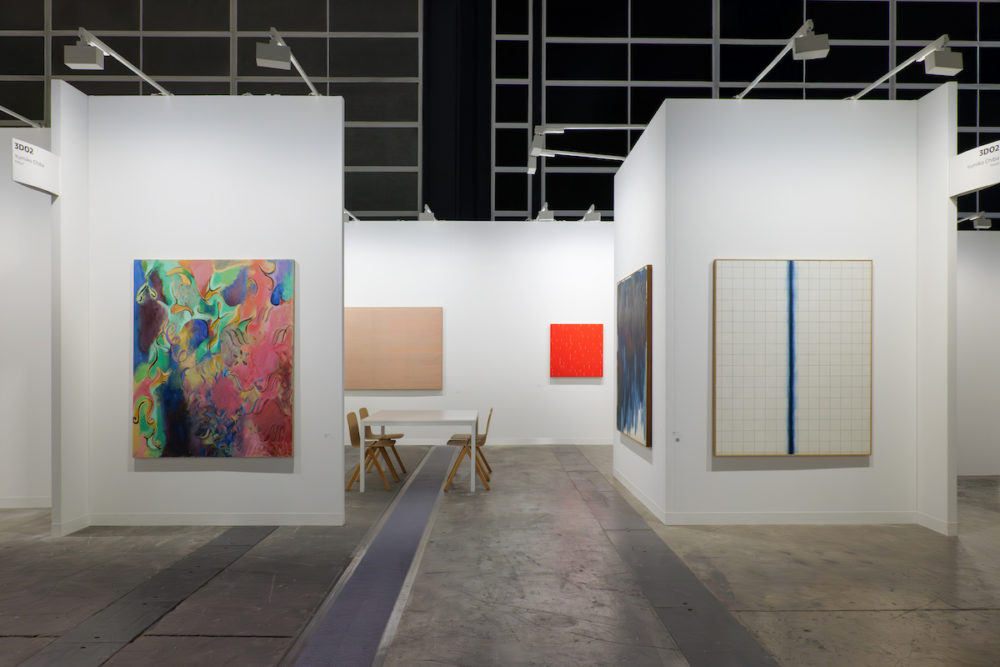
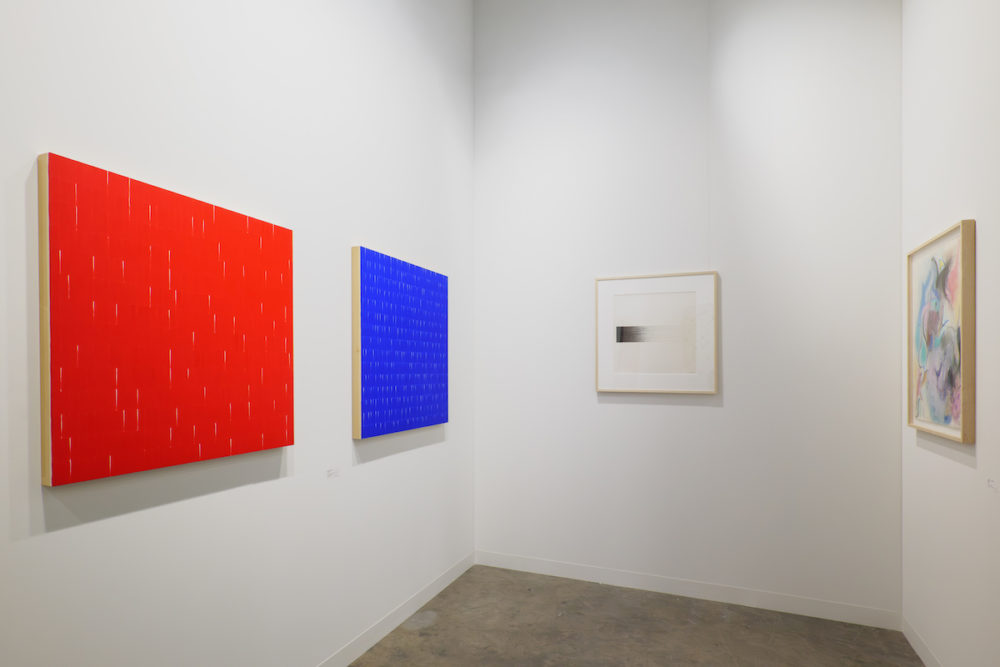
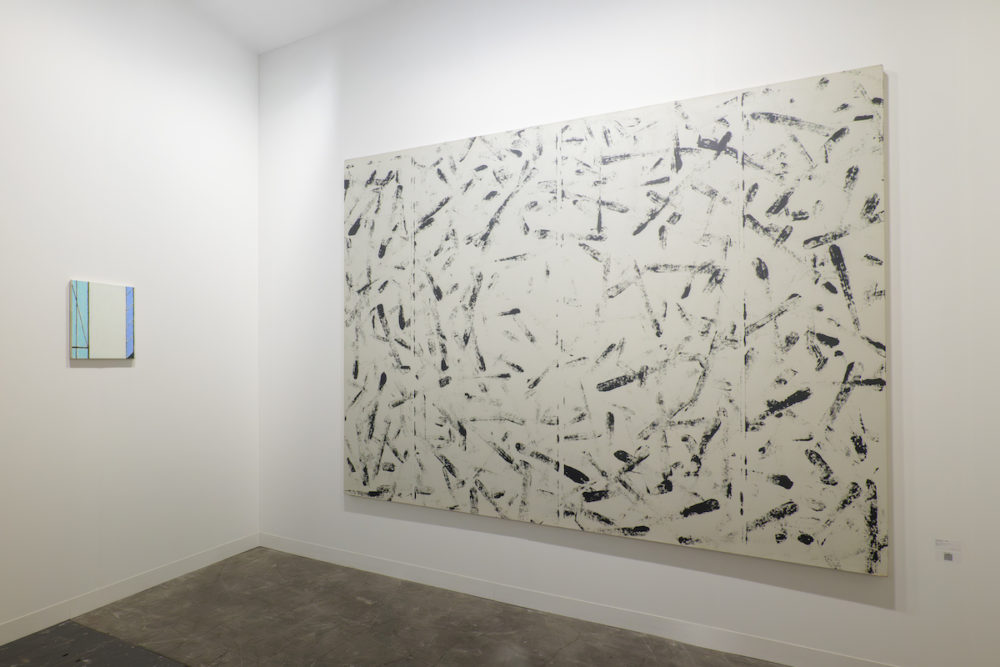
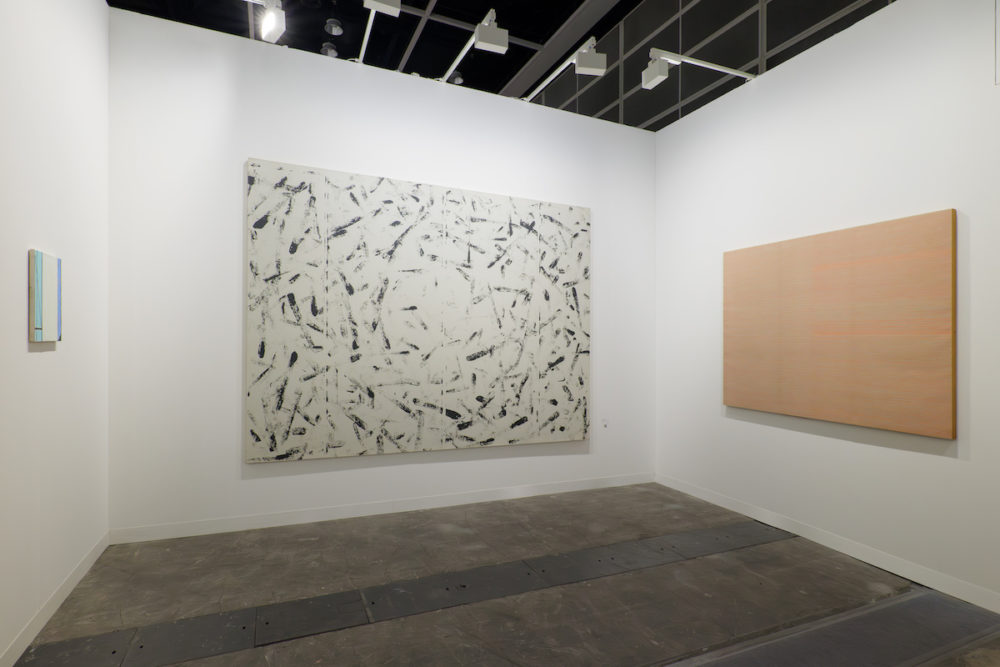
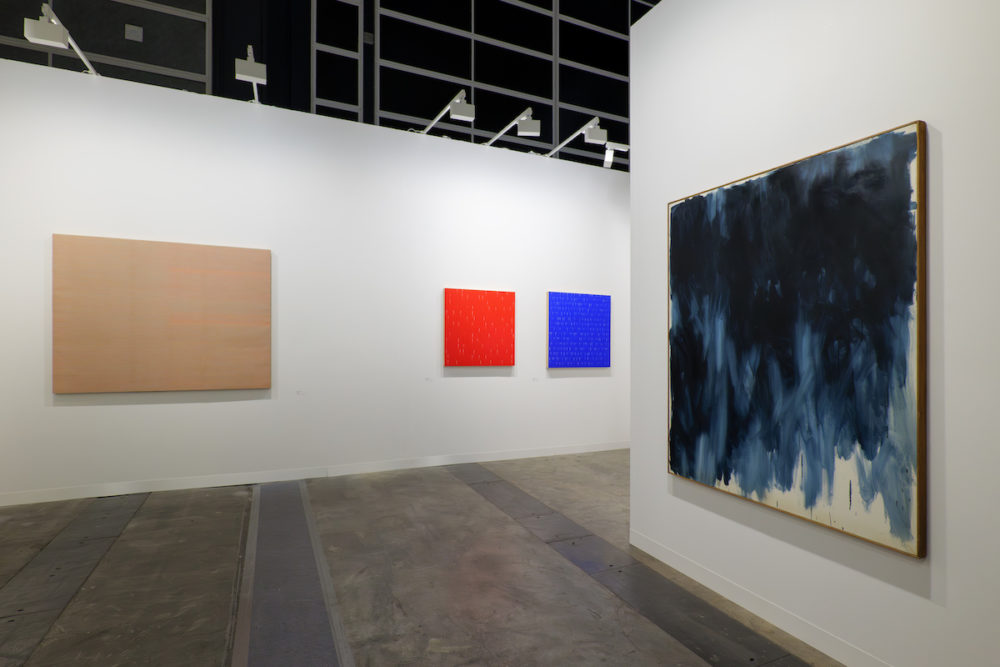
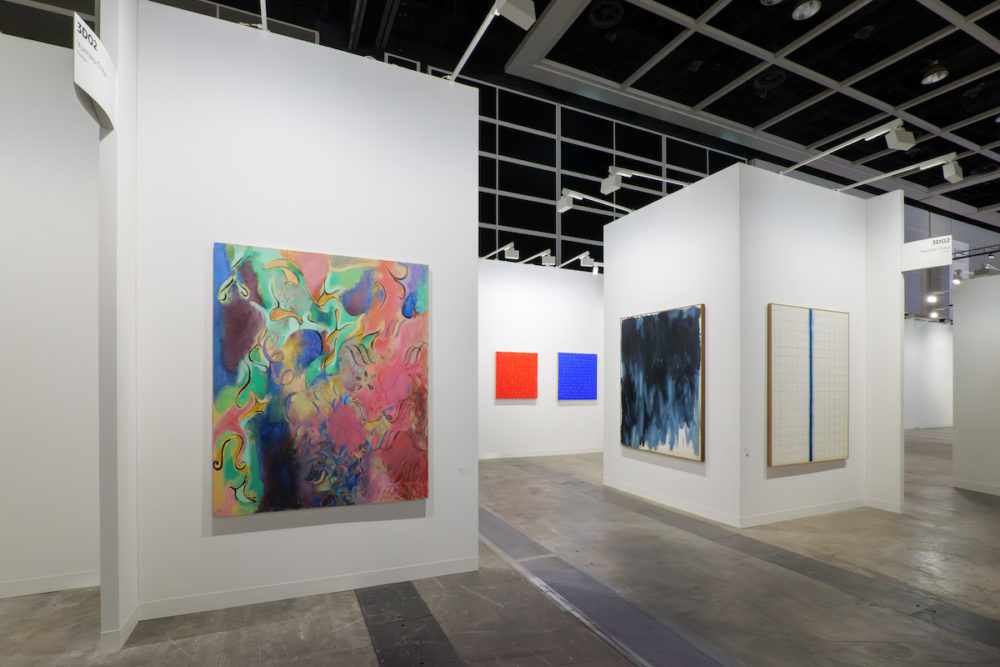
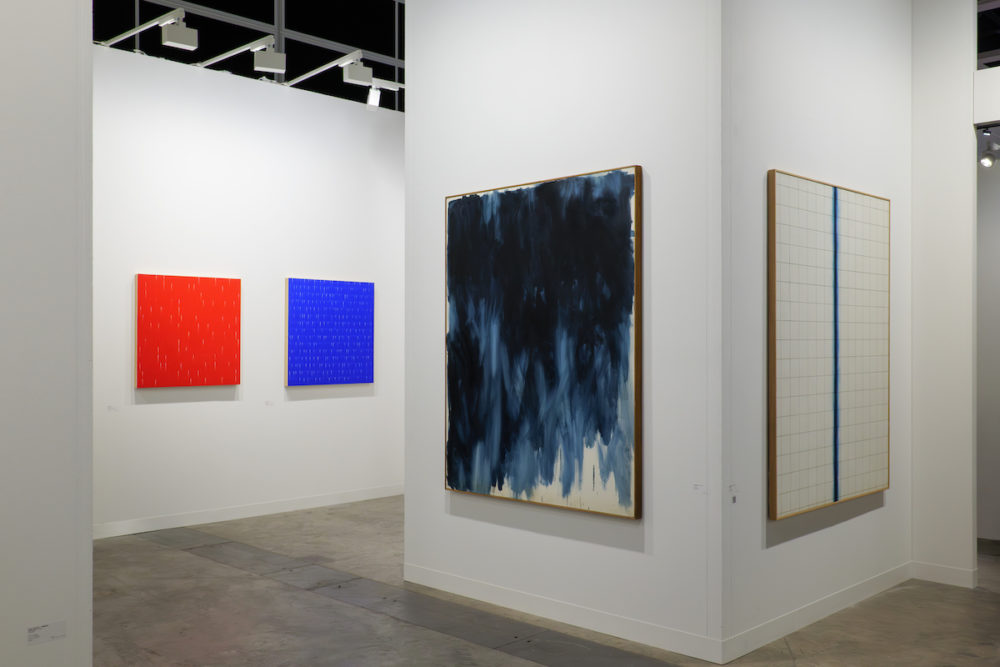
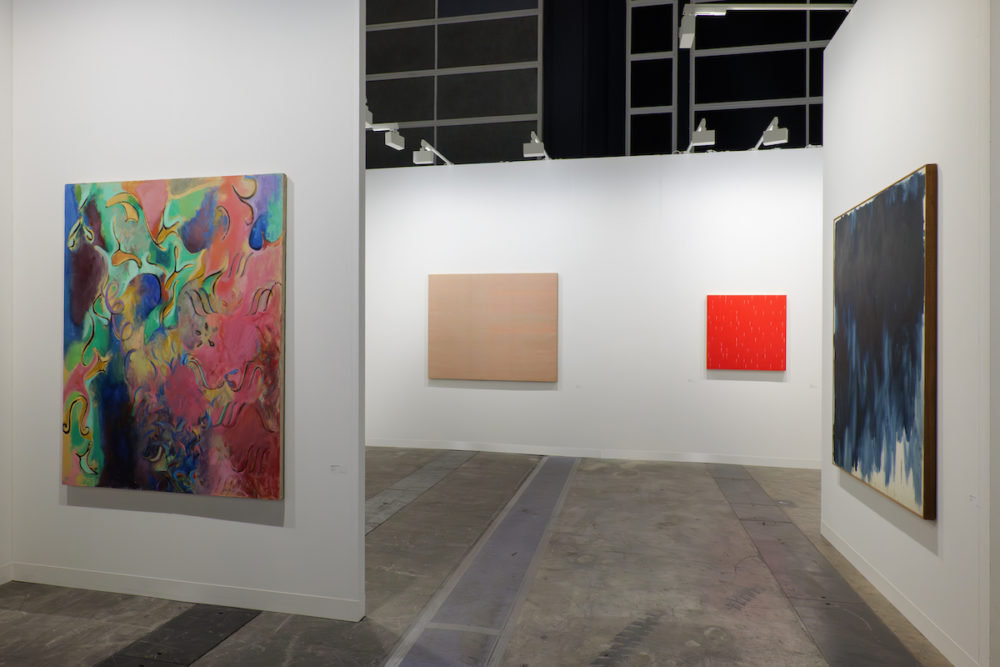
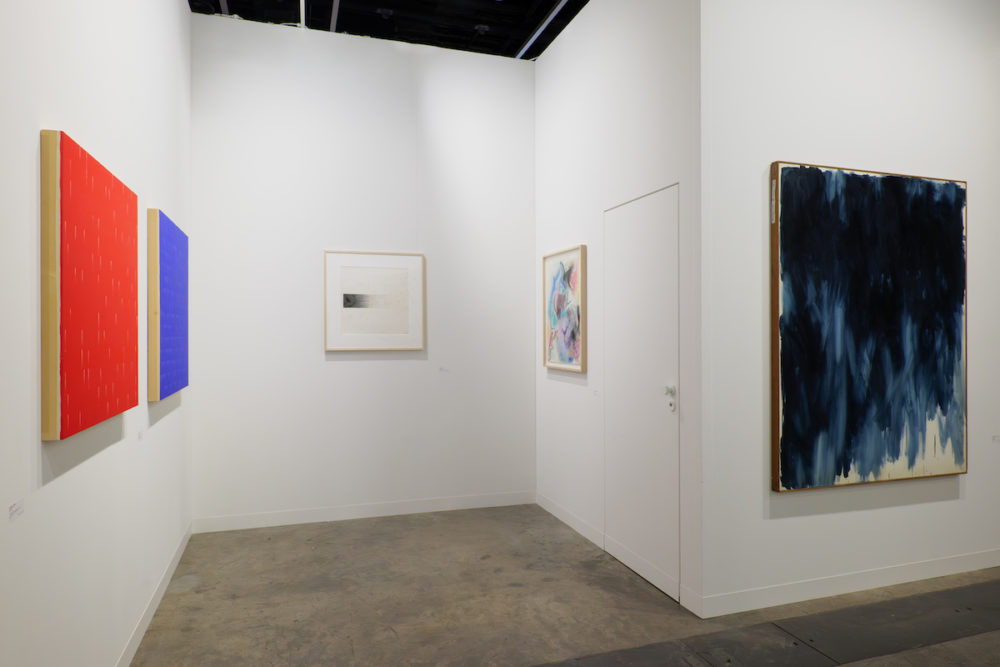
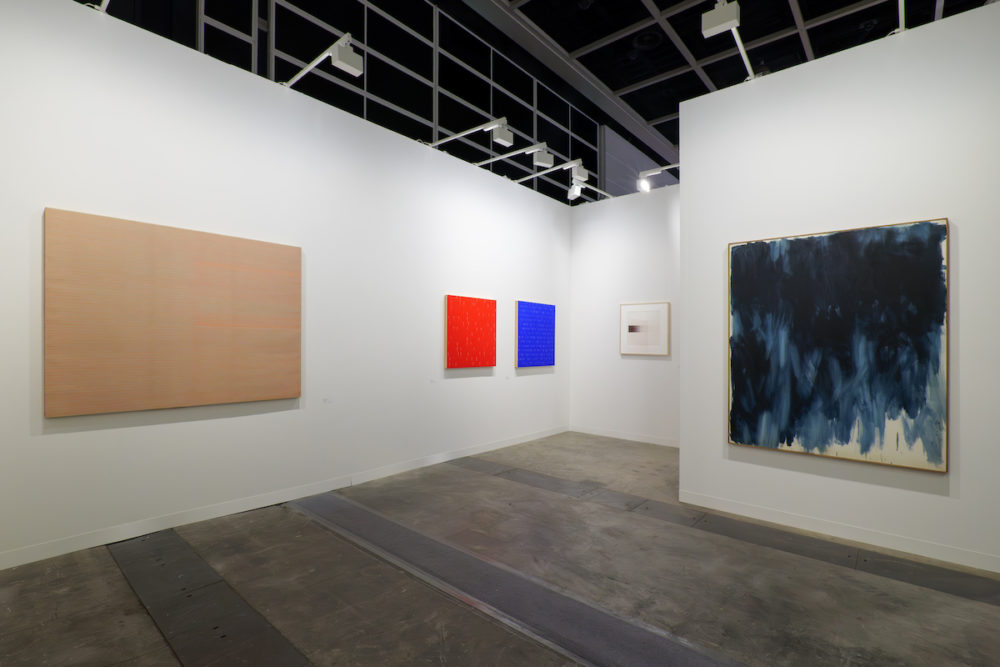

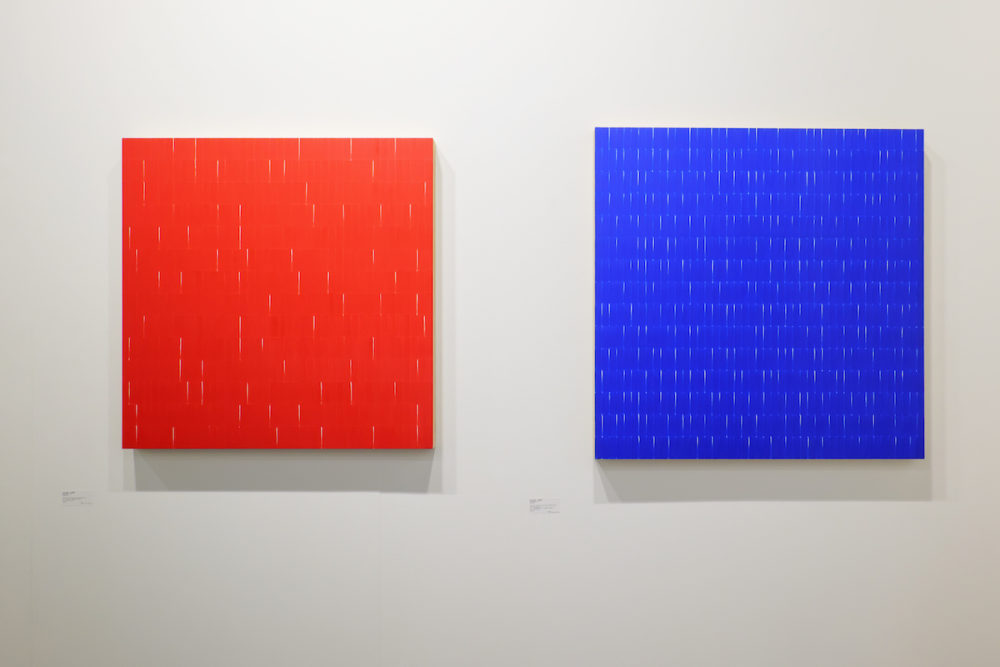
Booth 3D02
Yumiko Chiba Associates
Kazuyo KINOSHITA | Yoko SAWAI | Toeko TATSUNO | Jiro TAKAMATSU | Katsuro YOSHIDA
木下 佳通代 | 沢居 曜子 | 辰野 登恵子 | 高松 次郎 | 吉田 克朗
From Minimal Conceptual to Abstract - For a long time it was generally considered that Japanese conceptual art had been derived and developed by Western influences. However, the notion of conceptual art in fact arose in Japan from the late 1960s when the Western conceptual artists emerged exactly at the same time. There were also Japanese artists actually here who practiced extremely strict conceptualism.
Those artists avoided figurative expression from their early days and continued their creation, emphasizing abstraction. Although there was a few-year lag, the above Japanese conceptual artists generally started their practices from minimal approach under the concept of geometric abstraction from 1960s to 1970s, and developed its expression style into an abstract expression from the late 1970s to 1990s and beyond.
For Art Basel Hong Kong 2025, Yumiko Chiba Associates is pleased to focus on Kazuyo KINOSHITA (1939–1994), Yoko SAWAI (b. 1949), and Toeko TATSUNO (1950–2014), three pioneering female artists who were among the few of their sex producing richly experimental conceptual expression at a time when women were still struggling to participate in wider society.
In the first half of the 1970s, KINOSHITA employed film and photography to reveal the relationship between the existence of things, and our cognizance of them; and the invisible realms of time and dimension, from the viewpoint of “disconnect” or misalignment. In the second half of the decade she used photographs to interrogate the uncertain nature of real-life image on flat surface, in a diverse, ever-evolving array of works offering insights into what it means to “see.”
In the first half of the ’70s, SAWAI focused on “art from things,” working on numerous exhibits that transformed spaces through encounters between disparate objects, from wood blocks and lead plating to fluorescent tubes and newspaper. Switching mid-decade to two-dimensional works, she began using a box cutter to make fine slits in paper, and drawing lines in crayon across these slits at right angles to throw the lines into relief, in works that interrogate the boundary between painting and objet d’art.
TATSUNO meanwhile adopted multiple approaches to print media expression from early in the ’70s. Employing the then new technique of silkscreen, while using the ruled lines in exercise books, and standard Minimalist forms such as grids, dots and tiles, she printed in layers to generate “discrepancies,” also adding freehand lines and other elements in idiosyncratic expression that distinguished her work from Minimalism.
From the 1980s KINOSHITA and TATSUNO switched to large, abstract oil paintings in vibrant shades, while SAWAI ceased making and presenting work for about ten years.
Though KINOSHITA was a decade or so senior to SAWAI and TATSUNO, the trio were not only active concurrently as artists, but also closely connected in both their public and private lives.
Yumiko Chiba Associates also features Jiro TAKAMATSU (1936–1998), who laid the foundation of conceptual art in Japan with On KAWARA and Shusaku ARAKAWA, and greatly influenced the Mono-ha that followed; Katsuro YOSHIDA (1943–1999) who was a Mono-ha original member with Nobuo SEKINE and Susumu KOSHIMIZU.
YOSHIDA was recently featured at the retrospective solo exhibition “Yoshida Katsuro: Touching Things, Landscapes, and the World” at the Museum of Modern Art, Hayama, traveling to the Museum of Modern Art, Saitama (2024). Likewise KINOSHITA’s large retrospective “KAZUYO KINOSHITA: A Retrospective” was held at Nakanoshima Museum of Art, Osaka, traveling to The Museum of Modern Art, Saitama (2024-25).